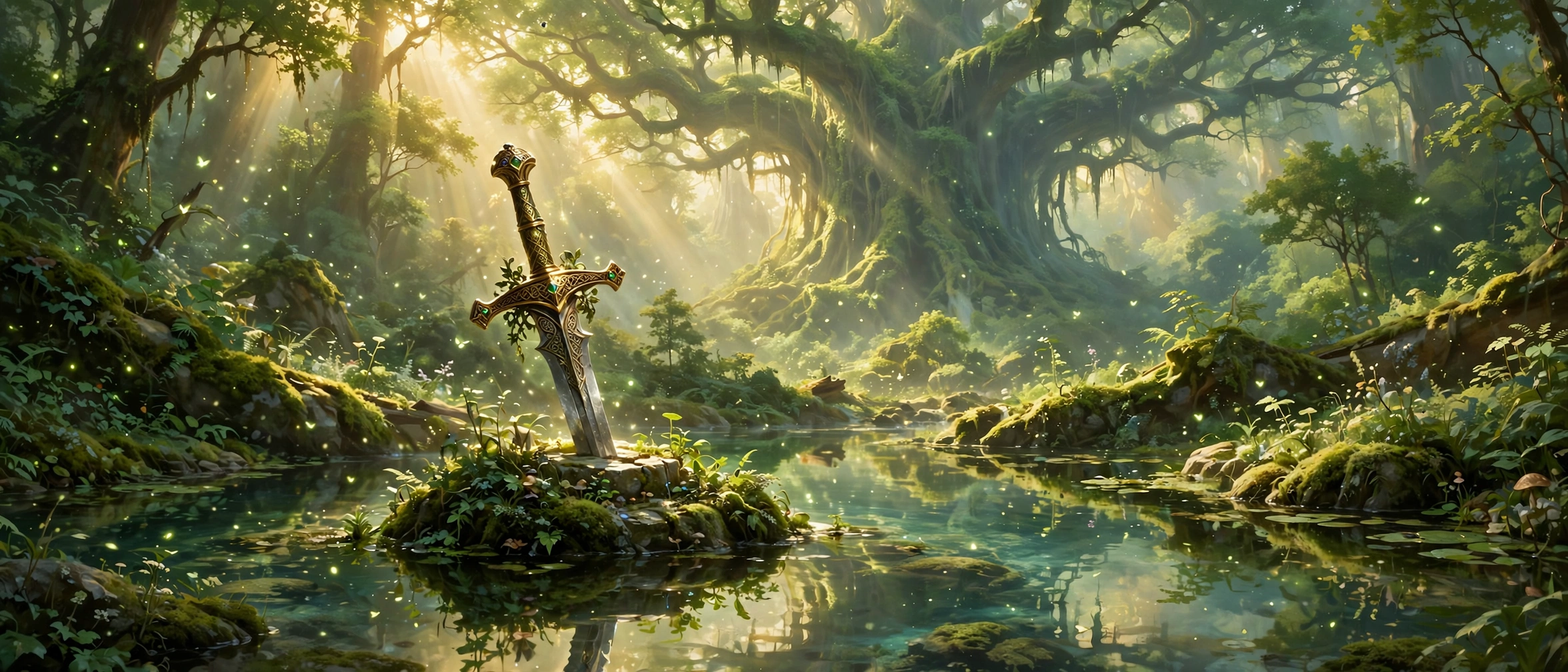
Some games are sequels. Seiken Densetsu 3 is a fork in the road — six of them. Before you have fought a single boss, Square's 1995 Super Famicom action RPG asks you to choose three heroes from a cast of six, and that decision quietly rewrites everything after it: whose personal story you follow, which villain rises to threaten the world, which final dungeon you crawl through, and which final boss waits under the Mana Tree. Add a class system that branches every hero toward Light or Dark — twice — and you have one of the most replayable RPGs of the 16-bit era.
For players outside Japan it was also one of the most tantalising. Released only in Japan in 1995, it lived abroad for almost 24 years as a legend passed around through import cartridges and an unofficial fan translation. That changed in 2019, when it finally received an official English translation as Trials of Mana in Collection of Mana for Nintendo Switch — followed in 2020 by a full 3D remake of the same name. This guide covers the original: the dense, beautiful, occasionally unforgiving Super Famicom game, and how to build a party that can actually finish it.
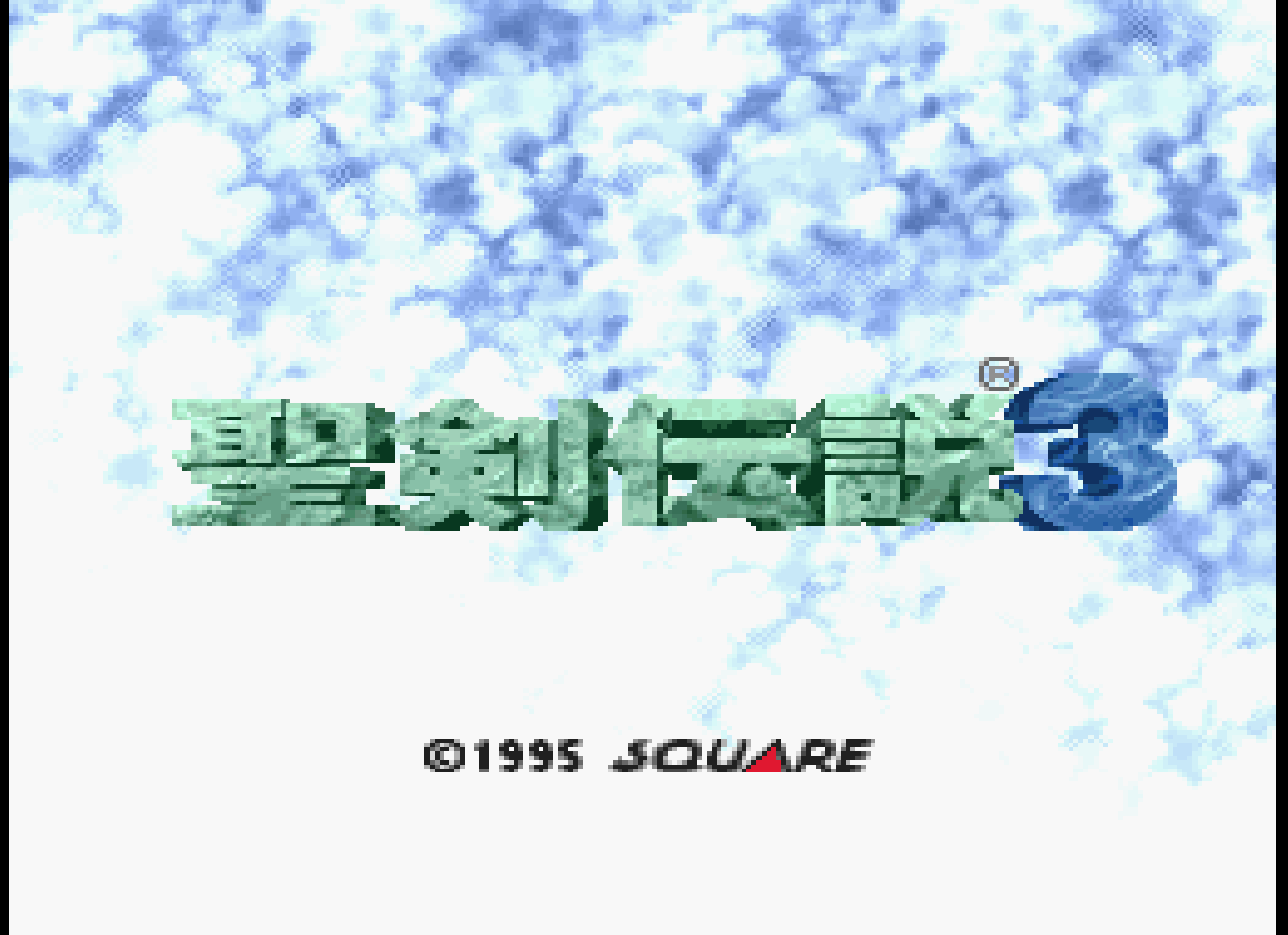
Quick Facts
| Item | Detail |
|---|---|
| Title | Seiken Densetsu 3 (聖剣伝説3); officially localised as Trials of Mana |
| Platform | Super Famicom |
| Developer / Publisher | Square |
| Release (Japan) | September 30, 1995 |
| Genre | Action RPG |
| Series | Mana series — sequel to Seiken Densetsu 2 (1993, Secret of Mana overseas) |
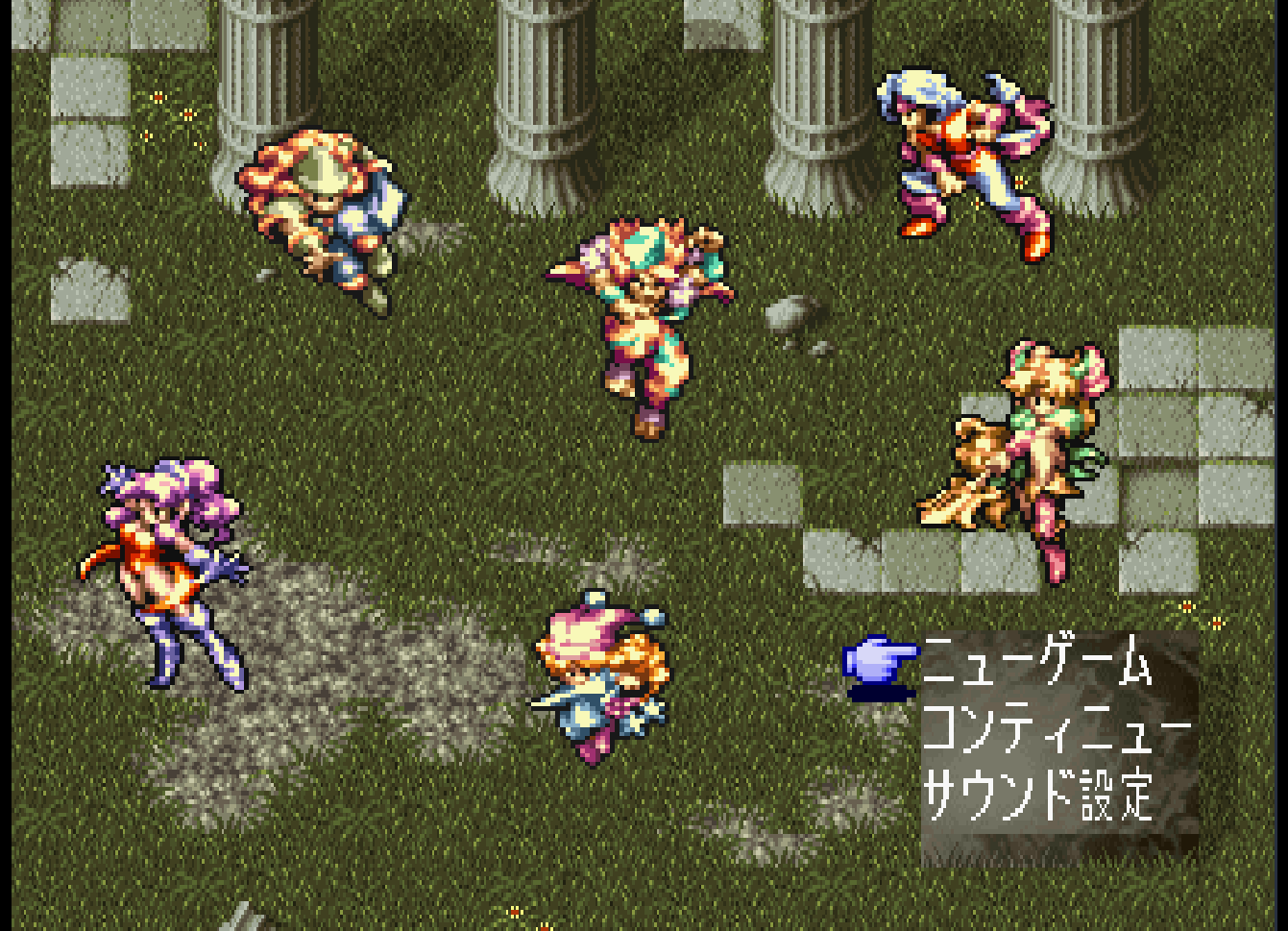
| Party | Choose 3 heroes from a cast of 6; the first choice is your lead |
| Structure | Three main story routes, a different final boss per route |
| Class system | Class changes at Level 18 and Level 38, branching Light / Dark each time |
| First official English release | 2019, in Collection of Mana (Nintendo Switch) |
| Remake | Trials of Mana (2020), a full 3D remake |
Overview
The Mana Tree, the source of magic in the world, is withering, and the eight Benevodons — god-beasts sealed in the Mana Stones — are stirring as the seal weakens. Three powers move at once to seize that power, and which of them becomes your central threat depends on the hero you lead with. A fairy fleeing the dying Sanctuary of Mana crash-lands into the life of an ordinary young person, and the quest begins: gather the eight elemental spirits, open the way to the Sanctuary, and claim the Sword of Mana.
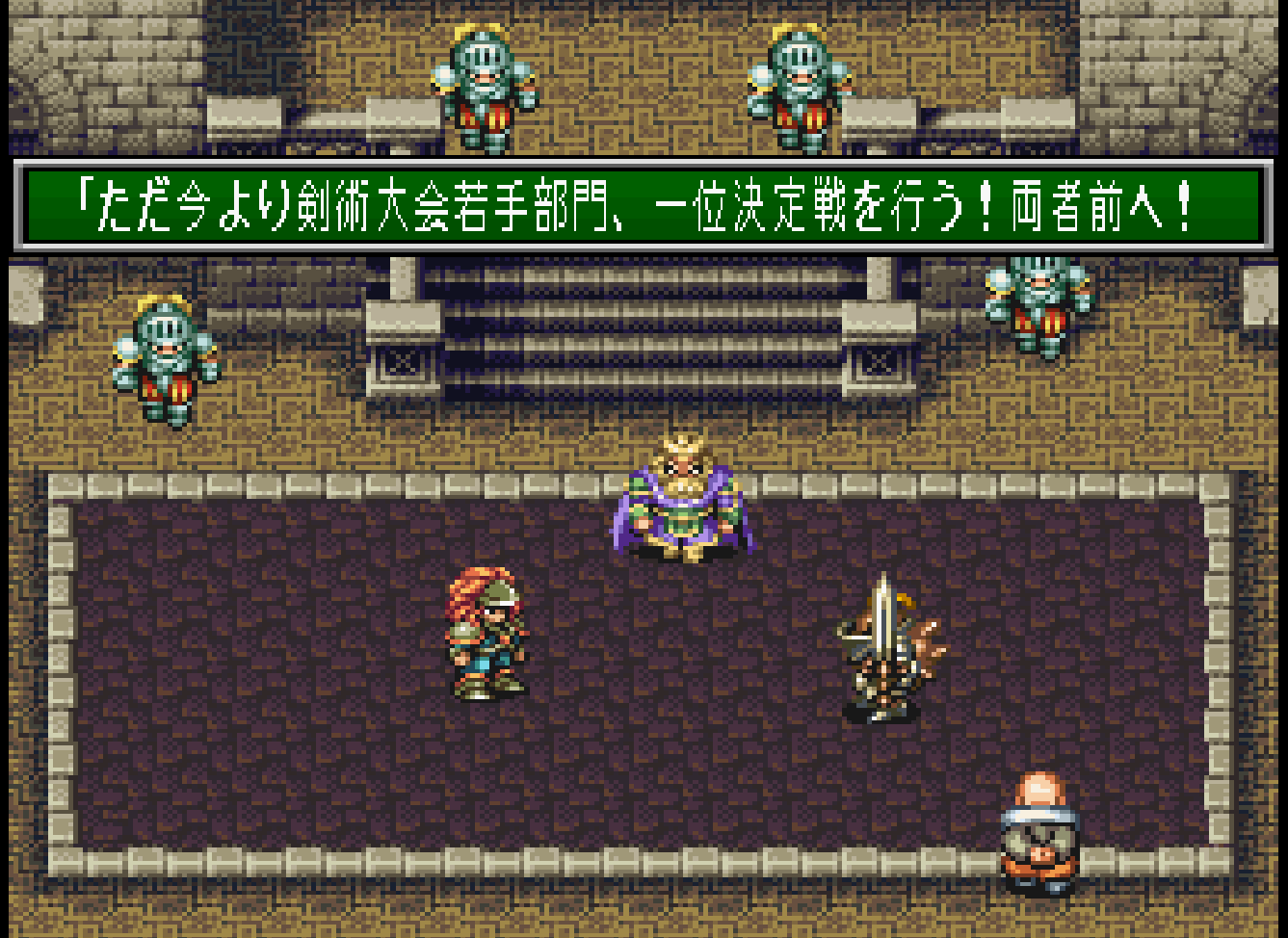
Combat will feel familiar to Secret of Mana players: real-time battles, a special-technique gauge that fills as normal attacks land to power special techniques, and ring command menus that pause the action while you pick spells and items. But everything around that core is bigger and more personal. Each hero opens with their own playable prologue. Day turns to night — and matters, because one hero transforms after dark — and each in-game day is attuned to an elemental spirit whose magic it strengthens. And your three heroes each branch through a class tree that can make the same character a healer, a buffer, a summoner or a single-minded damage dealer.
Why It Still Matters
It is a masterclass in meaningful choice. Many RPGs promise your decisions matter; here the first one restructures the villains, dungeons and ending battles, and the class system restructures your tactics twice more. Three routes and dozens of class combinations make "the" way to play a genuine argument, not a solved problem.
It is also a road not taken overseas. The Mana game Western players debated from magazine screenshots alone became officially playable in English only in 2019 — and the original remains a distinct work from its remake, with its own balance, its own class quirks, and some of the most detailed 2D sprite work Square produced on the hardware. Finally, its systems reward planning — party composition, class timing, the spirit day you fight a boss on, the order you tackle the god-beasts — in a way that still feels modern.
Highlights
Six heroes, three stories. Every hero is somebody's protagonist. The three pairs share intertwined fates, and bringing a lead's partner along is where much of the story's payoff lives.
A class system with real forks. Light tends toward healing, buffs and support; Dark toward raw power, debuffs and forbidden magic. At Level 38 the fork forks again: four possible final forms per hero across playthroughs. Each hero has seven classes in total including the starting class — six excluding it: the two Level 18 classes (Light and Dark) plus the four final classes.
Day, night and the calendar as mechanics. Kevin transforms into a werewolf at night and hits far harder. Each day is tied to an elemental spirit and strengthens that spirit's magic. When you fight can be a strategy, not just flavour.
Late-game freedom. Once the hunt for the eight Benevodons opens up, several can be challenged in an order of your choosing — route around a bad matchup, bank levels, and come back stronger.
Strategy Essentials
Meet the six heroes
| Hero | Weapon | Profile | Story axis |
|---|---|---|---|
| Duran | Sword | Swordsman of Forcena. A straightforward heavy hitter; Light adds healing and shields, Dark adds elemental sabers and attack power. | Humiliated by the Crimson Wizard, he seeks strength — and the truth about his father, the Darkshine Knight. |
| Angela | Staff / rod | Princess of Altena and the dedicated offensive mage. Frail, but her spells cover destructive magic across the elements. | Unable to use magic, she flees when her mother the queen tries to sacrifice her to forbidden magic. |
| Kevin | Claws / fists | Half-beastman prince of the Beast Kingdom. A two-hit attacker who becomes a werewolf at night; Light paths add healing. | Manipulated by the Deathjester, he turns against his father's invasion and seeks to restore his friend Karl. |
| Charlotte | Flail | Priestess-in-training from Wendel (Carlie in the fan translation). The only dedicated healer — she heals on every path; Light adds holy magic and sabers, Dark adds summons. | She sneaks out of Wendel to follow the priest Heath as dark forces close around the Priest of Light. |
| Hawkeye | Daggers | Swift Navarre thief (Hawk in the fan translation). Attacks twice per strike; Light leans to traps and support, Dark to ninja arts and stat-lowering throws. | Framed for his friend Eagle's death, he flees to break Jessica's curse and expose the sorceress Isabella. |
| Riesz | Spear / lance | Princess and Amazon captain of Rolante (Lise in the fan translation). Her magic buffs the party (Light) or debuffs enemies (Dark), with summons in her final classes. | When Rolante is invaded and her brother Elliot is kidnapped by Bil and Ben, she sets out to rescue him. |
The three routes: your lead chooses the final boss
The six heroes form three pairs. The pair your lead belongs to determines the main villain, final dungeon and final boss; the other two members do not change the route.
| Lead hero(es) | Main villain | Final boss | Notes |
|---|---|---|---|
| Duran or Angela | The Dragon Lord | The Dragon Lord, in draconic form | Altena's war and the dragon power behind it; the only route with the hidden boss below. |
| Kevin or Charlotte | The Masked Mage | The Masked Mage's ultimate form, the Dark Lich | The Beast Kingdom's invasion and the death-magic conspiracy around Wendel. |
| Hawkeye or Riesz | The Dark Prince | The Dark Prince (Archdemon) | Navarre and Rolante's fall; often considered the sternest final battle of the three. |
For a first run, lead with the hero whose story interests you most and bring their partner second — Duran with Angela, Kevin with Charlotte, Hawkeye with Riesz. Paired characters share scenes that do not occur otherwise, and you lose nothing mechanically. The third slot is where you optimise.
Class changes: Level 18, Level 38, Light and Dark
At Level 18, take a character to a Mana Stone and choose Light or Dark. At Level 38 a second change branches from the first: Light can only proceed to Light/Light or Light/Dark, Dark only to Dark/Light or Dark/Dark — there is no crossing back. The second change also requires a character-specific class item, obtained from ??? Seeds: plant a ??? Seed in the magic pot at an inn and it grows into a random class item for a member of your current party. Duplicates are common, so collect several seeds in advance and save before planting.
Names below follow the original game as presented in Collection of Mana and long-standing guides; the fan translation and the 2020 remake rename a few (Duran's Light/Dark class is "Lord" here, "Liege" in the remake).
| Hero (starting class) | Lv18 Light | Lv18 Dark | Lv38 L/L | Lv38 L/D | Lv38 D/L | Lv38 D/D |
|---|---|---|---|---|---|---|
| Duran (Fighter) | Knight | Gladiator | Paladin | Lord | Sword Master | Duelist |
| Angela (Magician) | Sorceress | Delvar | Grand Divina | Archmage | Rune Master | Magus |
| Kevin (Grappler) | Monk | Bashkar | God Hand | Warrior Monk | Death Hand * | Dervish * |
| Charlotte (Cleric) | Priestess | Enchantress | Bishop | Sage | Necromancer | Evil Shaman |
| Hawkeye (Thief) | Ranger | Ninja | Wanderer | Rogue | Ninja Master | Nightblade |
| Riesz (Amazoness) | Valkyrie | Rune Maiden | Vanadis | Star Lancer | Dragon Master | Fenrir Knight |
\* One honest warning: guides disagree on Kevin's Dark finals — long-standing English FAQs list Death Hand as Dark/Light and Dervish (sometimes "Delvish") as Dark/Dark, while some Japanese remake-era references swap them. What is not disputed is what they do: Death Hand is his maximum-attack form with Energy Ball; Dervish trades a little power for Moon Saber, which drains HP with his attacks. Choose by the skill, not the label.
One line per hero on the fork: Light Duran heals and carries a shield, Dark Duran gains sabers and power. Light Angela deepens her all-element arsenal — Grand Divina and Archmage are reliable boss-killers — while Dark Angela is a slow burn: Delvar looks modest, but it opens Rune Master, whose status and instant-death spells devastate enemies at or below her level, and Magus, her highest raw magic power, with Ancient. Kevin's Light side is his only route to healing; his Dark side is pure violence, amplified at night. Charlotte heals everywhere, so her fork is offence: holy spells and sabers, or summons. Hawkeye's Dark multi-target throws, which lower enemy stats, are quietly among the best boss tools in the game. Riesz buffs on Light — Star Lancer is a perennial favourite — and debuffs on Dark, with a summon either way at the end.
Building the party: three working patterns
Pattern 1 — The safe first clear: Duran (lead) + Angela + Charlotte. Duran tanks and hits, Angela deletes bosses through elemental weaknesses, Charlotte guarantees healing. Take Duran Light for a second healer and shields, Dark if Charlotte alone is enough. It is also a Dragon Lord route, so the hidden boss is available.
Pattern 2 — Physical pressure: Kevin (lead) + Riesz + Hawkeye. Kevin in werewolf form is arguably the hardest hitter in the game, Hawkeye attacks twice and shreds enemy stats, Riesz swings the stat war your way. The catch is healing: nobody heals natively unless Kevin goes Light. Either budget heavily for healing and revival items, or swap Hawkeye for Charlotte — and schedule hard fights at night when you can.
Pattern 3 — Magic and control: Angela (lead) + Riesz + Charlotte. Angela supplies elemental damage, Charlotte supplies healing plus sabers to give physical attacks an element, Riesz buffs or debuffs. Fragile before the first class change fills out the spell lists, very strong after. It rewards players who actually use the ring menu instead of mashing attack.
Two rules apply to every party. Always have a healing plan — a Heal Light caster (Charlotte always; Duran and Kevin only on Light paths) or a disciplined stock of items; parties with no healing plan are where first runs die. Keep magic and physical damage in balance — some bosses shrug off blades, others punish casters, and a one-dimensional party will eventually meet the boss built to stop it.
Systems worth planning around
Spirit days. Each in-game day is attuned to an elemental spirit, and magic of that element is strengthened. Resting at an inn to reach a favourable day — or night, for Kevin — before a known hard fight is free power.
Ring commands. The ring menu pauses combat, making this a thinking player's action RPG. Use the pause: re-apply sabers and stat spells when they expire, aim Angela's spells deliberately, and take manual control of healing in boss fights rather than trusting the AI.
The Benevodons, in your order. Several of the eight god-beasts can be attempted in a flexible order. Each is tied to an element, so do the ones you match up against first and bank the levels and gear. Levels gained in an easy order are the simplest difficulty setting this game has.
Stat growth is your choice. At each level-up you pick which statistic to raise. Favour each hero's core stat — Strength for Duran, Intelligence for Angela — and do not neglect Vitality on the front line.
Bosses and gear: where runs get stuck
Early walls. New players most often stall on the first genuine tests of positioning and healing — the machine golems and the assault on Rolante are common stumbling points if you arrive under-levelled or without a healing plan. The fix is rarely a new strategy; it is two or three levels and a full item bag.
Zable Fahr, the dark god-beast. A recurring nightmare: a darkness boss that punishes single-element parties and thin healing. Bring Light-element offence — a Paladin's Saint Saber earns its keep here — and patience.
Mispolm, the wood Benevodon. A stationary, pumpkin-like god-beast waiting in the Forest of Wonder, flanked by two pumpkin vines that grab a party member and bite away at them. Ignore the vines and concentrate on the main head. It is weak to Wind — not Fire — and absorbs Wood. The real trap is Counter Magic (Wall): once it is up, offensive spells are reflected, so favour physical attacks and keep healing through Killstinger, Poison Bubble and Grenade Bomb. (Not to be confused with Gildervine, a different plant boss fought earlier in the Lampflower Forest on the way to the spirit Dryad — Gildervine is not one of the eight Benevodons, and the phase in which it becomes untouchable until its summoned enemies are defeated belongs to that fight, not to Mispolm.)
After class-changing, rethink everything. The second class change replaces what your turns are for: multi-target techniques, whole-party sabers, summons and Angela's top-tier spells change boss maths completely. Re-read every new spell, reassign who buffs and who heals, and buy the new tier of weapons and armour before pushing on — gear jumps after class changes are among the largest power spikes in the game.
The hidden boss: the Black Rabite. On the Duran/Angela route only, a hidden passage deep in the Dragon's Hole area leads to the Black Rabite — a dark, deceptively cute superboss with an enormous HP pool, powerful spells and vicious counters, widely regarded as the hardest fight in the original game. It is optional, it is meant for a finished, fully class-changed party, and on the other two routes it does not exist at all — one more reason this game expects to be replayed.
Who It's For
Players who love Secret of Mana and want its bigger, stranger sibling; build-crafters who enjoy planning around branching classes; completionists happy to run a game three times for three villains; and anyone curious how ambitious a Super Famicom cartridge could be. If you prefer a single, tightly authored story with no wrong choices at the character select screen, a more linear RPG may suit you better. This original rewards homework.
How to Play It Today
The original cartridge is a Japanese Super Famicom release, so original hardware means import hardware or a compatible setup and reading Japanese. For most readers, the practical route to the original is Collection of Mana on Nintendo Switch, which includes the first official English translation of this game alongside Final Fantasy Adventure and Secret of Mana. If you want this story with modern quality-of-life and full 3D presentation, the separate 2020 remake, Trials of Mana, is available on modern platforms — but its balance and some class names differ from the original described here.
Related Reading
- Secret of Mana (Seiken Densetsu 2) — the predecessor this game builds on
- Our retro RPG coverage and more Super Famicom strategy features
Editorial note: Basic specifications (internal title, capacity and memory configuration) are based on a check of the cartridge header information. The strategy content in this article is based on published reference materials.
Game screenshots captured by the author. ©SQUARE ENIX.
Find original hardware editions on eBay
As an eBay Partner Network affiliate, Enkeisha may earn a commission from qualifying purchases made through these links.
Search eBay listings (affiliate link)
Check the language, region, hardware compatibility, condition and authenticity before buying. Search results may include reproductions; links do not endorse individual sellers.