Famicom Detective Club Part II: The Girl Who Stands Behind — A school legend unfolds through questions, observation, and reflection
The version of Famicom Detective Club Part II: The Girl Who Stands Behind covered here was released in Japan in 1998 for Super Famicom / SNES. A school legend unfolds through questions, observation, and reflection.
Quick facts
| Version covered | Super Famicom / SNES |
|---|---|
| Japanese release date of this version | 1998-04-01 |
| Japanese publisher of this version | Nintendo |
What kind of game is it?
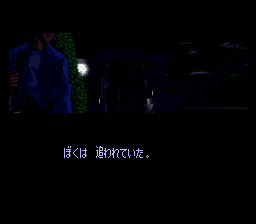
A command-based detective adventure investigates a school legend about a girl standing behind people and its connection to a case. The protagonist gathers information with help from Ayumi and others.
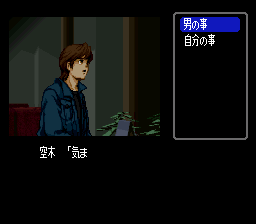
Questioning people, changing topics, and examining places again move the investigation forward. This article covers the Super Famicom version, whose presentation differs from the Disk System original and Switch remake.
Regional names and versions
The Famicom Disk System original dates to 1989; this article covers the 1998 Super Famicom remake. The 2021 Nintendo Switch remake offers an English localisation with a different presentation from these screens.
What makes it distinctive
Investigating a school legend makes listening to a frightening story part of the detective work. Comparing accounts gives conversations an unease of their own.
The Super Famicom version uses expressions and pacing to support its dialogue. Watching how someone responds can be as absorbing as selecting the next question.
Moments that stay with you
Returning to an ordinary corridor after hearing another account can make it feel different. The suspense grows from changed understanding, and from the pauses and expressions in conversations, before any answer is known.
Getting started
- When a conversation stalls, try observing or reflecting rather than only repeating the same topic.
- Keep witness statements separate from what the protagonist has directly observed.
How to play today
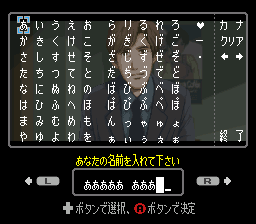
To play the original release, use the matching game and compatible hardware. For a used copy, check the platform, language, included items, and saving condition in the listing.
Nintendo Switch also has a remake with redrawn visuals and voice acting. Its presentation and interface differ from the Super Famicom version covered here.